

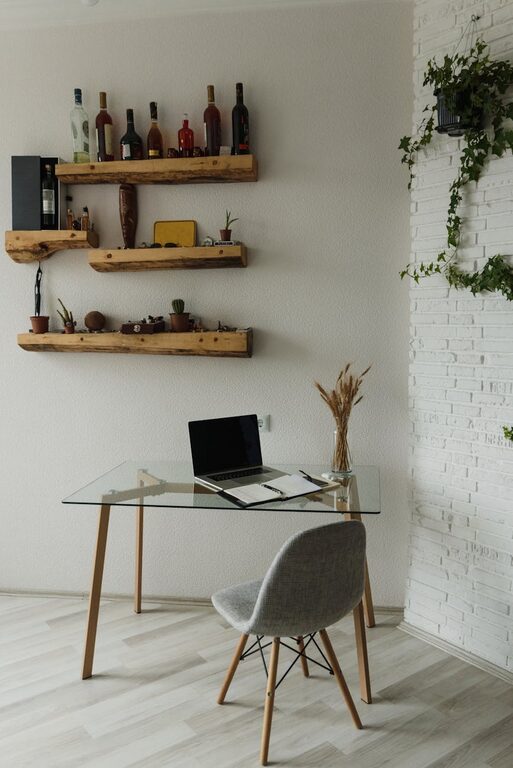
Creating a cozy and inviting home workspace can make a big difference in your daily comfort and productivity. Whether you’re working full-time from home or just need a spot for occasional tasks, a well-designed area encourages focus and reduces stress. Here are practical tips to help you design a space that feels good and functions well.
Choose the Right Location
Finding the ideal spot in your home is the first step. Look for a quiet corner with natural light, which can boost your mood and energy. Avoid areas with a lot of foot traffic or distractions if possible. If space is limited, consider using room dividers or a stylish screen to separate your workspace from the rest of the room.
Prioritize Ergonomics
Comfort is key when spending hours at your desk. Invest in a chair that supports your posture and adjust your desk height to keep your arms and wrists at a comfortable angle. Use a footrest if your feet don’t touch the floor, and position your monitor at eye level to reduce neck strain. Ergonomic accessories like keyboard trays or wrist supports can also help prevent discomfort.
Create Warm and Inviting Lighting
Good lighting can set the tone in your workspace. Natural daylight is best, but when that’s limited, use a combination of ambient and task lighting. A desk lamp with adjustable brightness can prevent eye strain during late-night work sessions. Soft, warm-colored bulbs create a cozy atmosphere, making the space feel inviting and less clinical.
Personalize Your Space
Adding personal touches makes your workspace unique and comforting. Display photos, artwork, or inspirational quotes that motivate you. Incorporate items that reflect your style, such as colorful cushions, a favorite mug, or a small collection of books. These details can make your space feel more like your own and less like a sterile work zone.
Keep it Organized and Clutter-Free
Clutter can disrupt your focus and create stress. Use storage solutions like shelves, drawers, or baskets to organize supplies and keep your desk tidy. Regularly declutter your workspace to maintain order and improve efficiency. Labeling containers and having a designated place for everything will save time and reduce frustration.
Add Natural Elements
Bringing nature indoors can create a calming atmosphere. Consider adding plants, which not only brighten the space but can also improve air quality. A small succulent or a potted fern can add life without requiring too much maintenance. Natural wood materials or earth-toned decor can also contribute to a warm, inviting feel.
Use Calming Colors
The colors around you impact your mood and concentration. Soft, muted tones like blues, greens, or neutrals are known to create a relaxed environment. You can add these colors through wall paint, rugs, or accessories. Avoid overly bright or harsh colors that may cause distraction or fatigue.
Incorporate Useful Technology
Your workspace should be equipped with the tools you need, but it’s important to keep tech clutter minimal. Use wireless devices when possible and manage cable clutter with organizers or clips. Setting up dual monitors or a good-quality headset can improve productivity and comfort during virtual meetings or multitasking.
Create Zones for Different Activities
If your space allows, design separate areas for different tasks, such as a desk for computer work and a cozy chair for reading or brainstorming. Changing your environment throughout the day can increase creativity and reduce burnout. Having distinct zones also helps mentally switch between “work” and “break” modes.
Don’t Forget Breaks and Comfort
Lastly, a home workspace should support your well-being. Include a comfortable spot where you can take brief breaks, stretch, or meditate. Keep a water bottle nearby and try to step outside occasionally to refresh your mind. Remember, a cozy workspace isn’t just about looks—it’s about creating a supportive environment for your body and mind.
—
By following these tips, you can transform your home workspace into a cozy, inviting place that helps you stay productive and feel comfortable. Small changes can make a big impact, turning your work area into a space where you enjoy spending time every day.